The Finest Nanoparticle Silver & Colloidal Metal Products
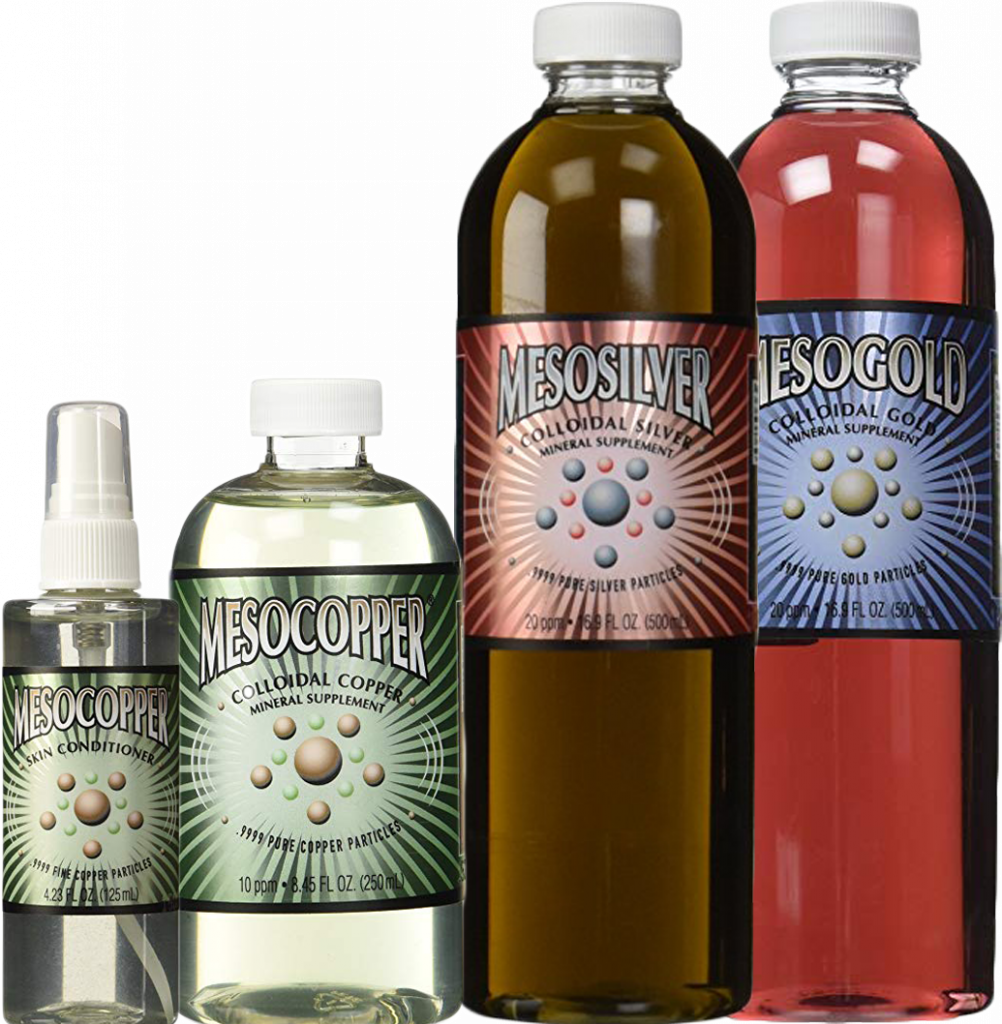
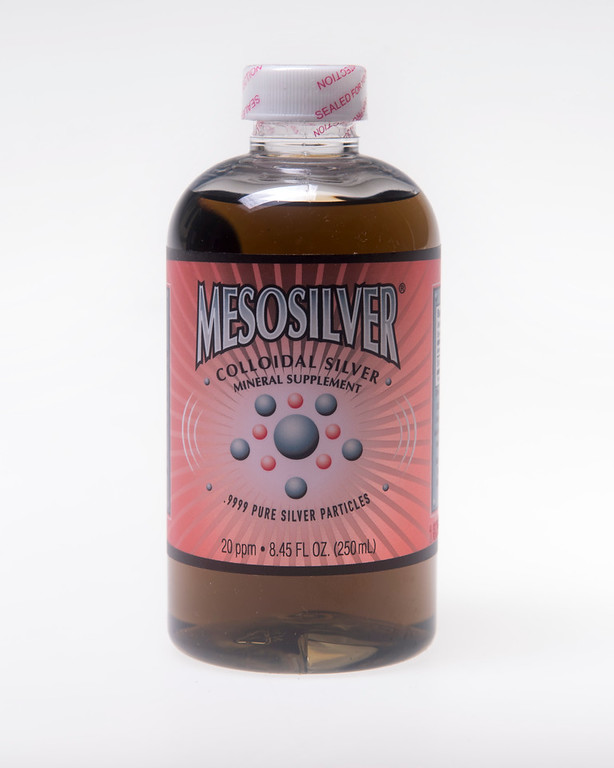
Purest Colloids’ mission is to produce the finest nanoparticle products which provide the highest level of effectiveness, whether through nano silver or other nano metals. In addition to our MesoColloid™ flagship product, MesoSilver® brand nanoparticle silver, we offer superior metal nanoparticle products for use as dietary supplements. Our Mesocolloids provide the body with minerals to maintain optimum health. Maximizing the nanometer-sized particles’ particle surface area keeps our products at the forefront of quality and effectiveness.
Our products, including nanoparticle silver and gold, have many other uses and have been used to manufacture photographic films, cosmetics, preservatives, antibacterial coatings, and dietary supplements.
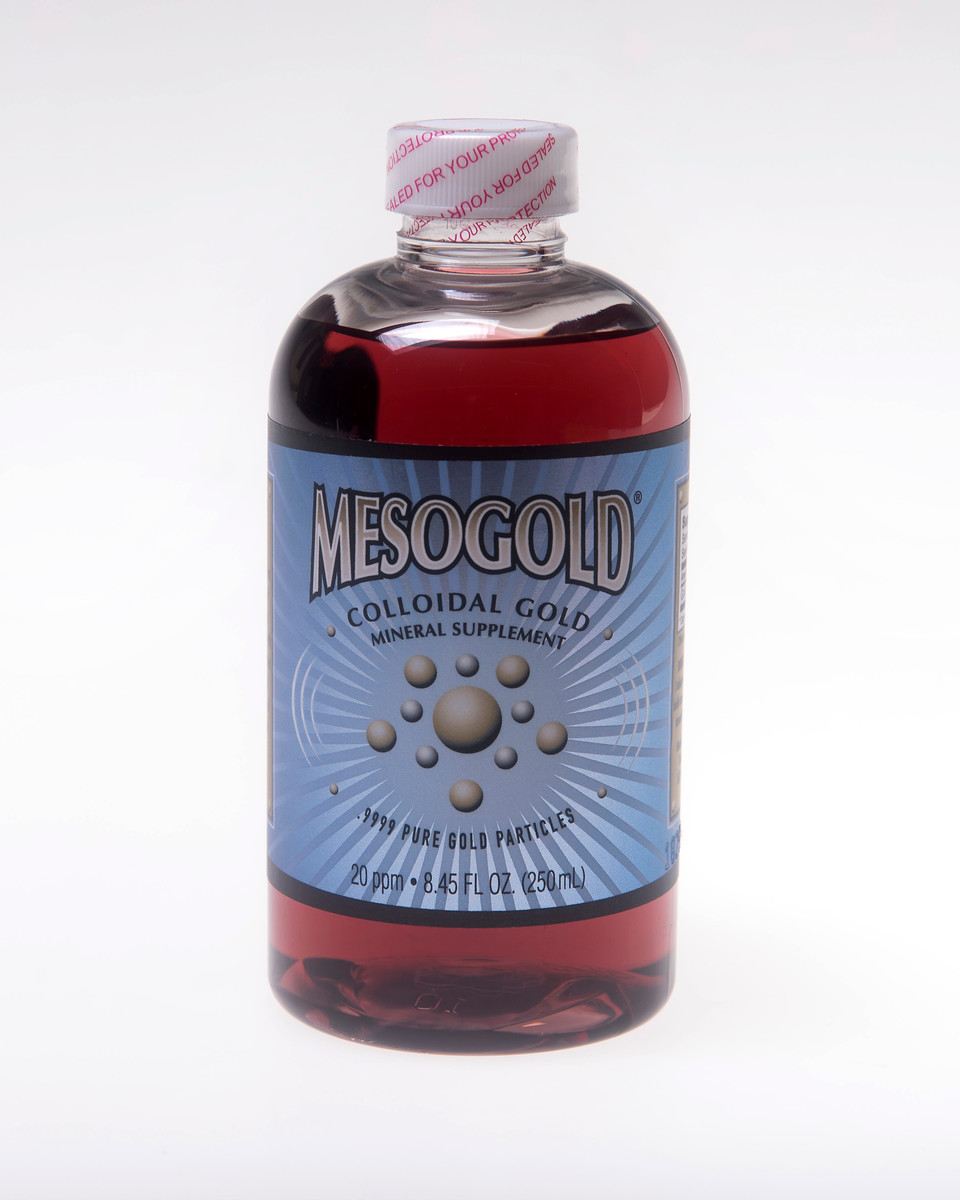
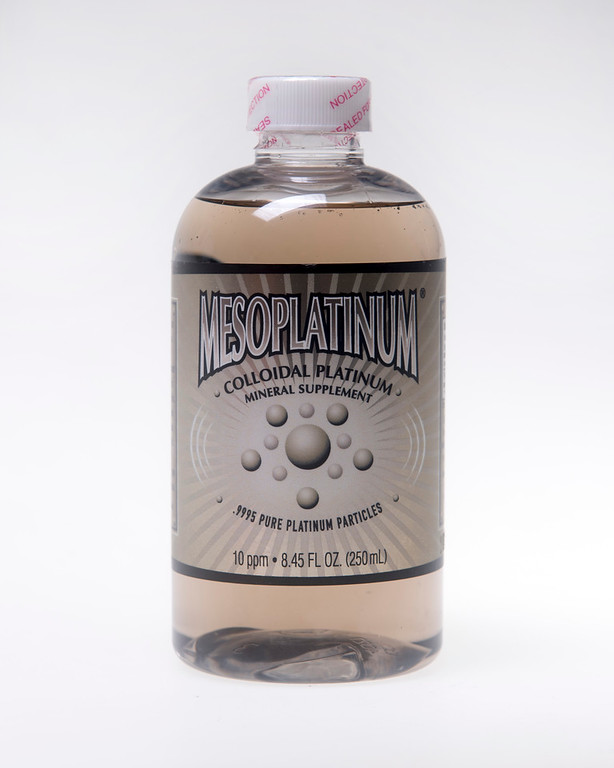
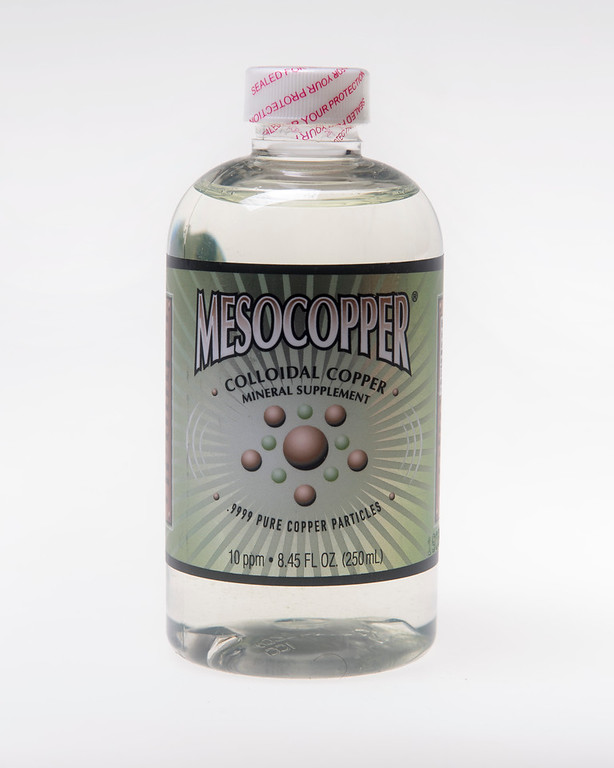
Our Mesocolloids product include MesoSilver®, MesoGold® ,MesoCopper®, MesoPlatinum®, MesoPalladium™, MesoIridium™, MesoSilica™, and MesoZinc™. Their function is to provide minerals in trace amounts which our bodies can use to maintain a robust immune system for optimum health. Read more about nanoparticle silver effectiveness in the learning center.